
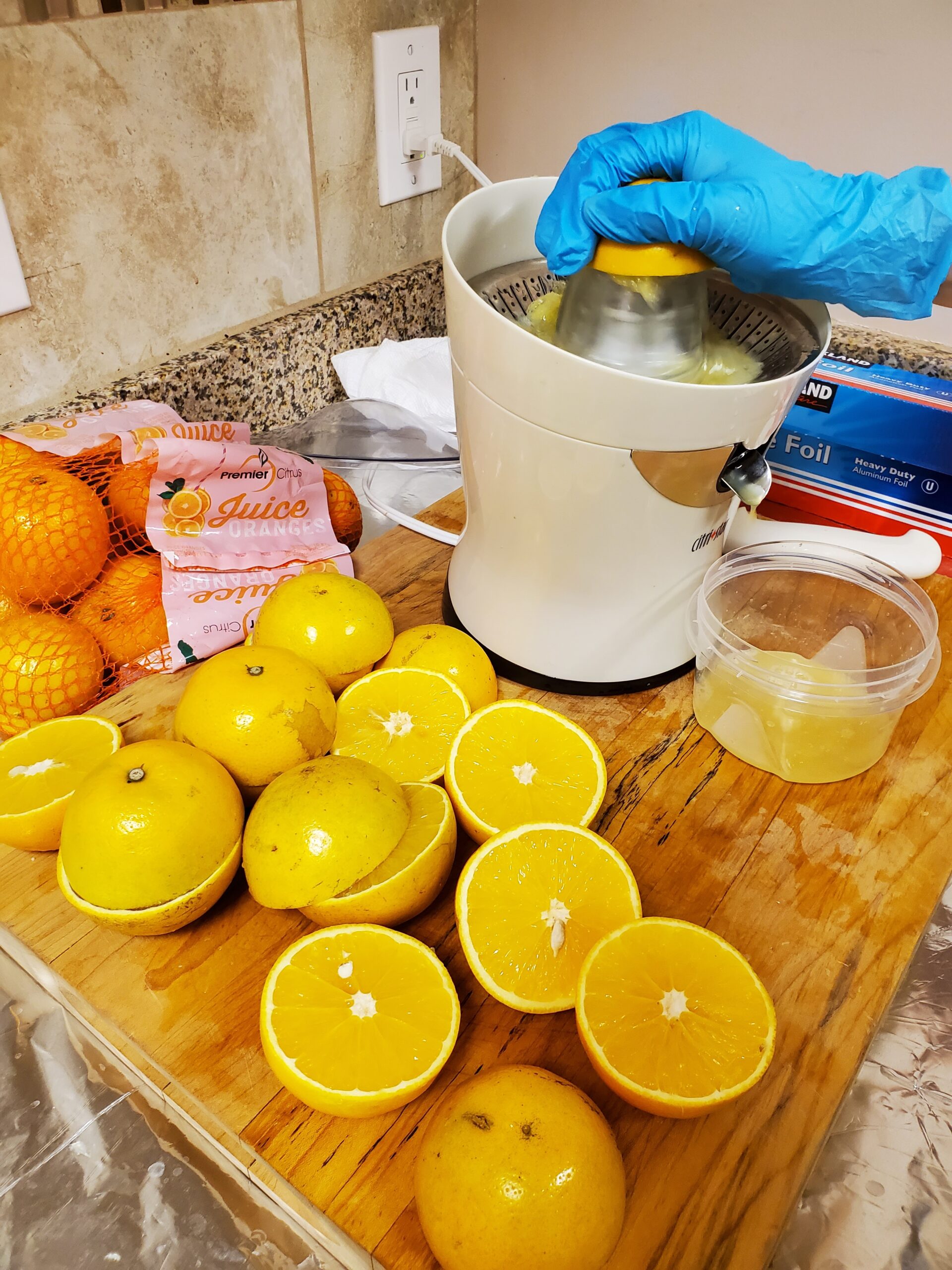
Every February, my kitchen quietly flips a switch. Out go the shortcuts. In come the fundamentals. Because for Passover, we don’t just cook—we build.
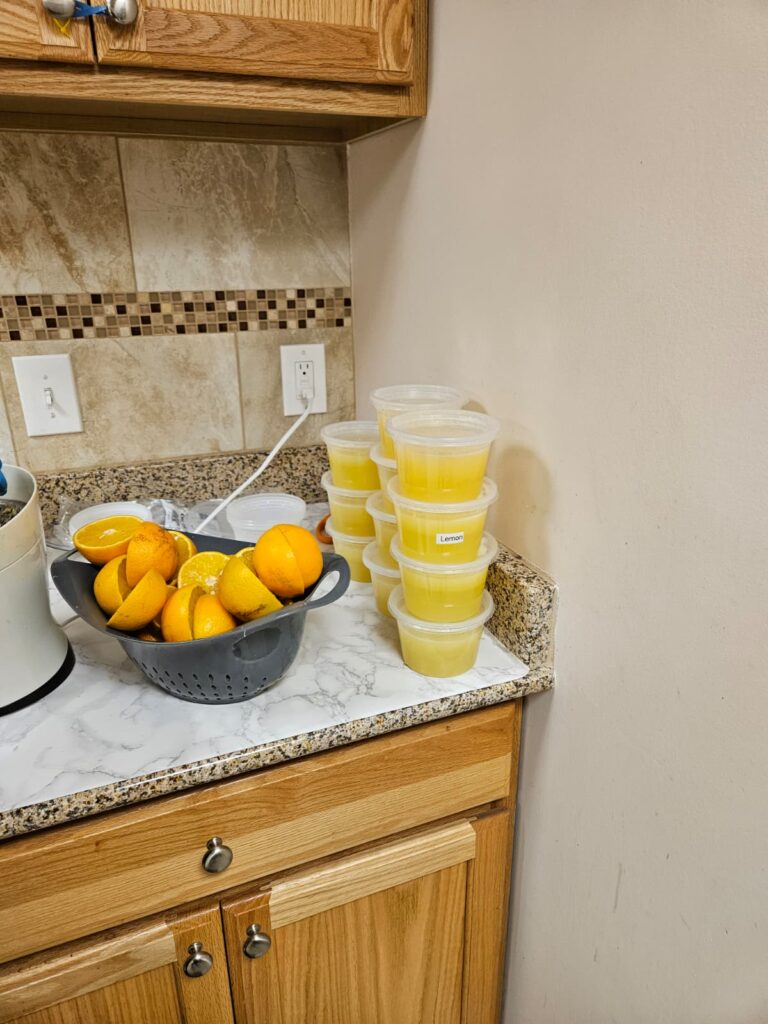
This year, as I shared photos in our family WhatsApp—jars of fresh citrus juice lined up like stained glass, apples bubbling down into silky sauce—one son‑in‑law squinted at the effort and asked, “So… are you almost done making ingredients?”
We’re just getting started! 😄
If Passover prep has ever felt intimidating, let me reassure you: once the building blocks are done, everything else gets easier. This post walks you through two of the most useful foundations in my from‑scratch Passover kitchen—fresh citrus juice and homemade applesauce—and shows you how they unlock dozens of meals for the week ahead.
Why Start with Building Blocks?
When nothing processed comes into the house, preparation shifts upstream. Instead of buying dressings, sauces, or purées, we make clean, versatile bases that:
- Keep well in the fridge or freezer
- Work across sweet and savory dishes
- Save time during the busy days of the holiday
- Taste dramatically better than anything store‑bought
Think of these as your Passover pantry—liquid gold and quiet magic.
Building Block #1: Fresh Citrus Juice
What I make:
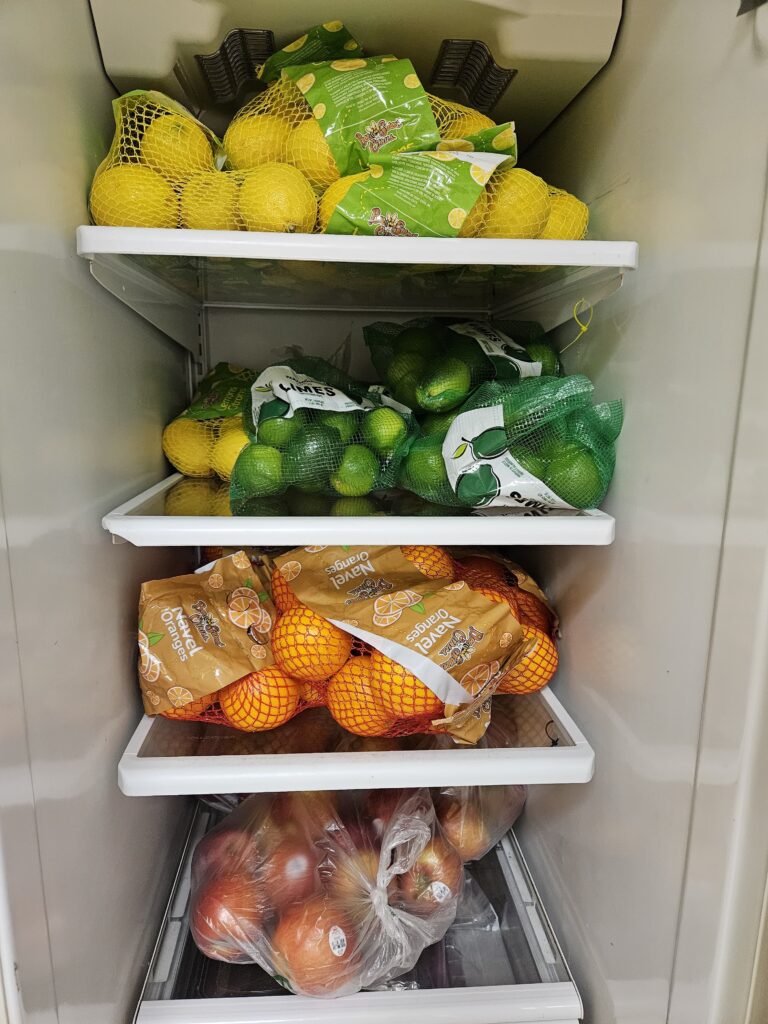
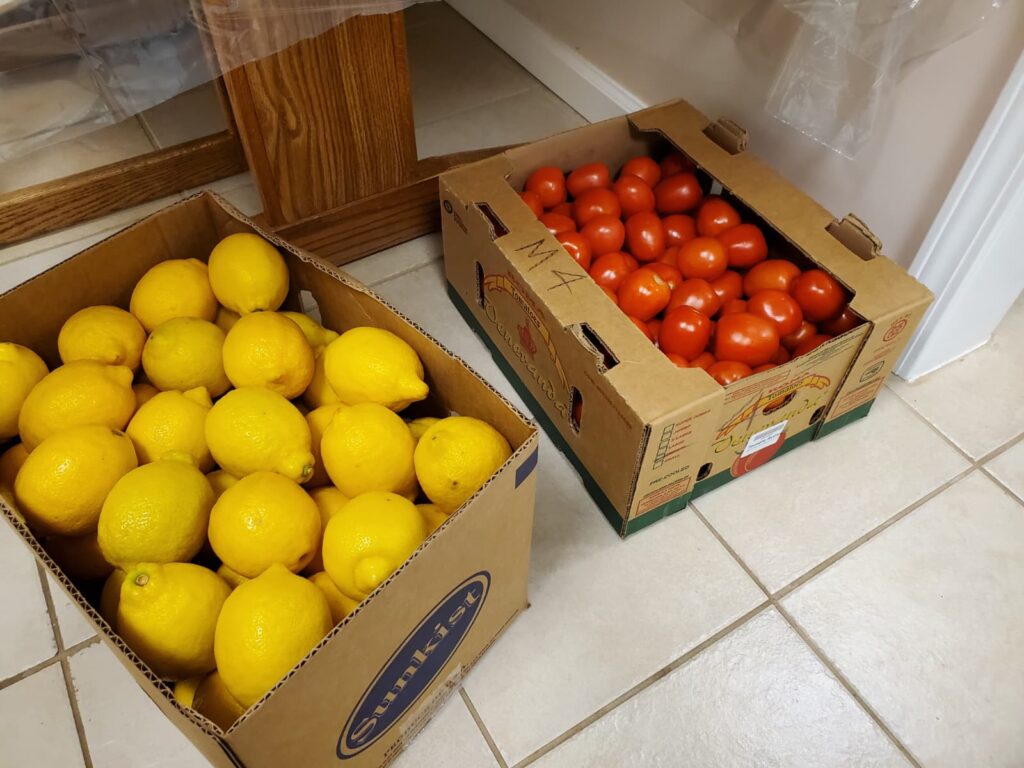
- 10 lbs limes
- 20 lbs lemons
- 20 lbs oranges
Yes, that’s a lot. And yes, I use every drop. It’s a bonus if I have any left after the holiday.
Fresh citrus is the backbone of my Passover cooking. It replaces bottled dressings, balances rich braises, brightens vegetables, and makes desserts sing.
How I Prep It
- Wash and dry all fruit
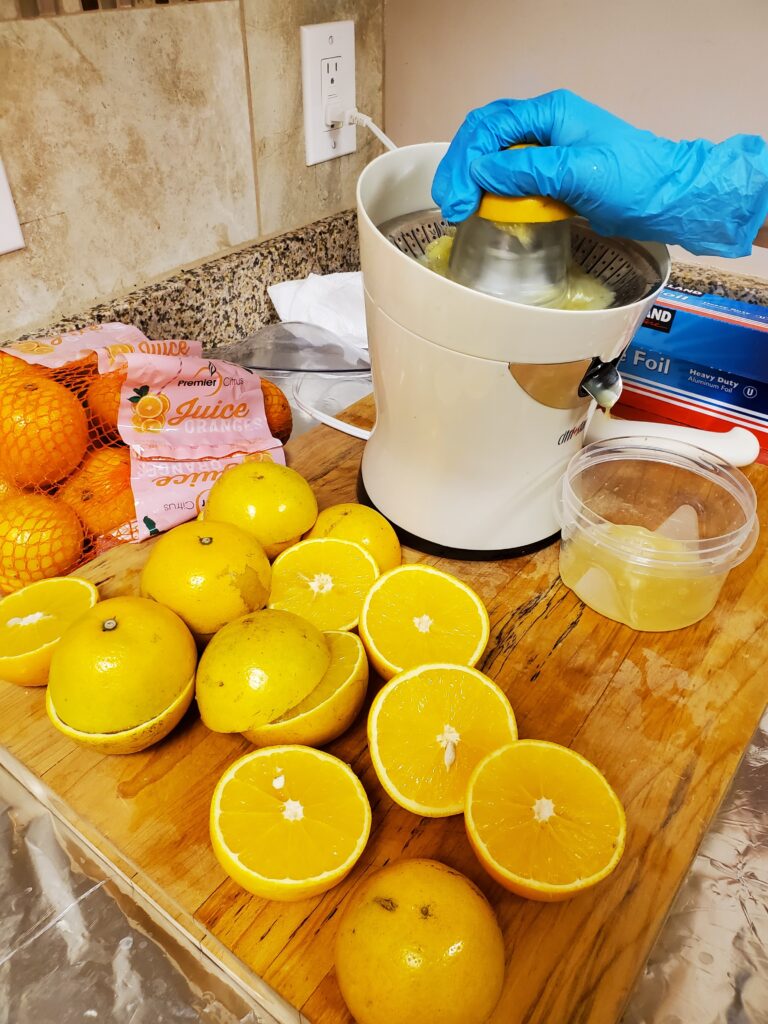
- Juice (I recommend a sturdy electric juicer—this is not the week for hand‑squeezing heroics)
- Strain lightly (leave some pulp—it adds body)
- Label and store in tightly sealed containers in the fridge, or freeze in measured portions
Tip: Freeze some juice in ice‑cube trays for quick splashes of brightness all week long.
Where It Shows Up
- Lemon‑olive oil salad dressings
- Lime‑based marinades for chicken or fish
- Orange juice reductions for carrots and squash
- Citrus vinaigrettes for slaws and roasted vegetables
- Sorbets and granitas
Building Block #2: Homemade Applesauce
What I make:
- 15 lbs Fuji apples
Applesauce does quiet, heroic work during Passover. It sweetens without refined sugar, adds moisture to baked goods, and anchors desserts and breakfasts alike.
How I Make It
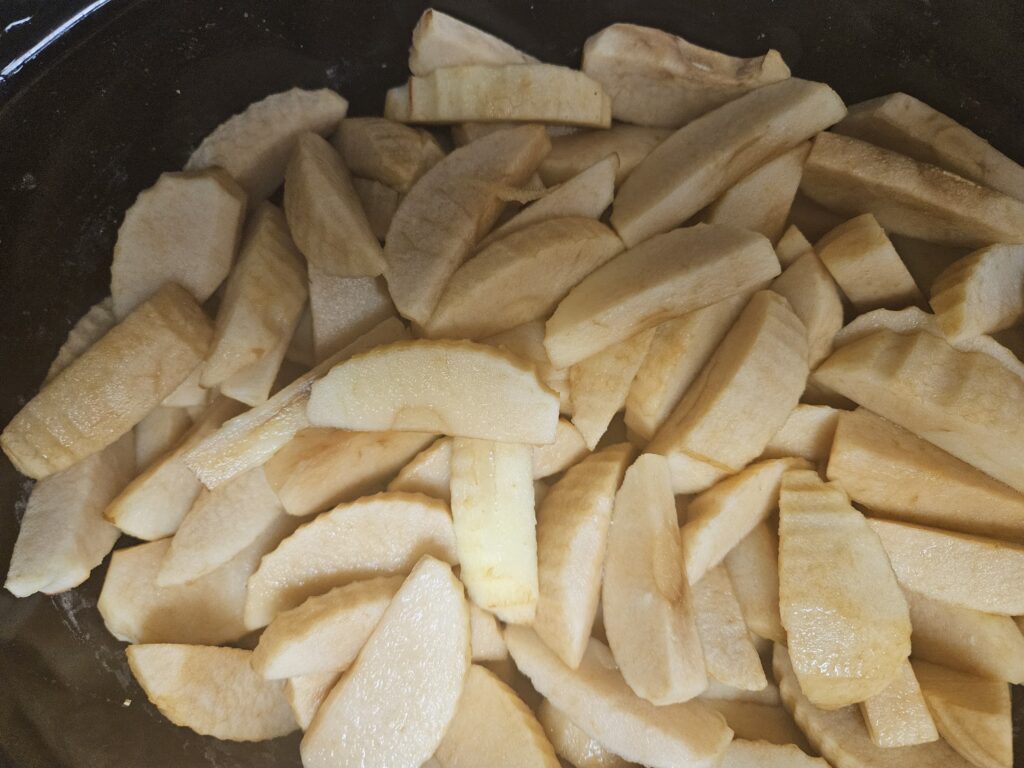
- Peel, core, and chop apples (I like to use this apple peeler)
- Add to two large crock pots
- Cook on low until soft and collapsing (no added liquid needed)
- Blend or mash to desired texture
- Label and store in tightly sealed containers in the fridge, or freeze in measured portions. I take the extra step to make applesauce squeezies for the kids.
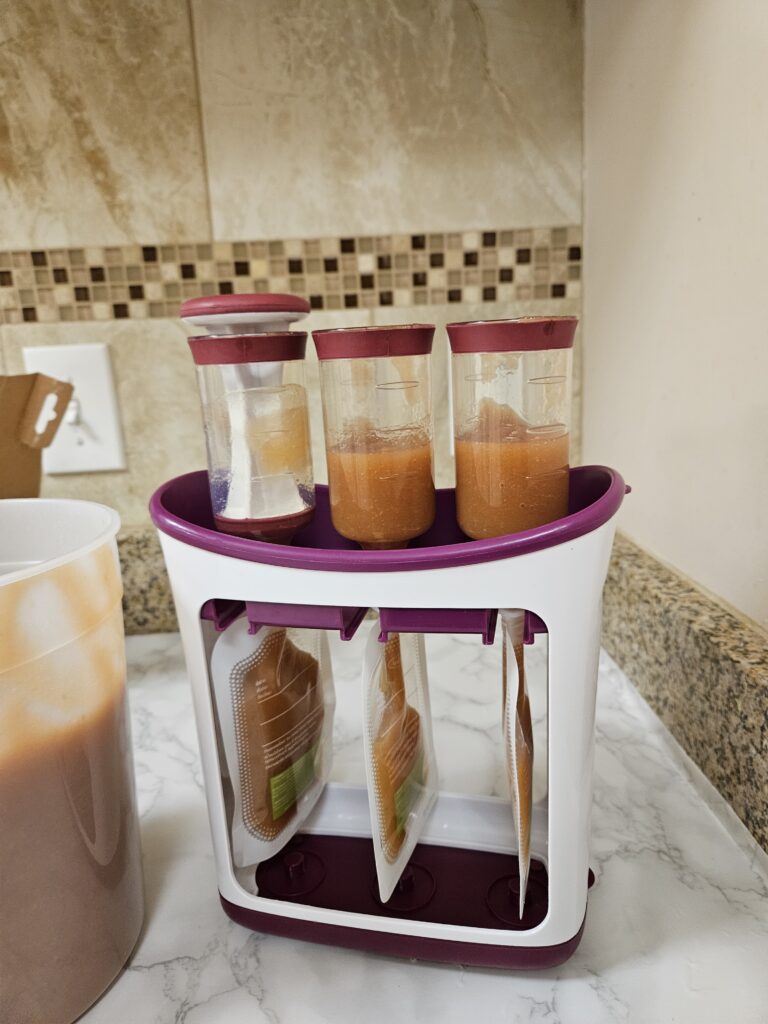
That’s it. No sugar. No spices (those come later, dish‑by‑dish).
Where It Shows Up
- A favorite on-the-go snack
- Cakes and muffins
- Kugels and loaf bakes
- Breakfast bowls
- Desserts layered with nuts or compotes
- As a natural sweetener in sauces
Once These Are Done…
The week ahead changes.
With citrus juice and applesauce ready, I can:
- Assemble dressings in minutes
- Balance rich dishes without effort
- Bake without scrambling for substitutions
- Focus on meals, not ingredients
This is the heart of Pure Passover: do the foundational work early, and the holiday becomes calmer, lighter, and far more joyful.
What’s Coming Next
In upcoming posts, I’ll share:
- Homemade powders (yes—even shallot powder)
- Stocks and broths
- Passover‑ready sauces
- Full menus built from these basics
If you’ve ever wondered whether a from‑scratch Passover is really doable, you’re in the right place.
Welcome to PurePassover.
— Dvora